Australia's eSafety named AI companions a child-safety risk
eSafety's advisory lists overuse, sexualised chat and grooming risk from AI companions, and points to new age-restricted industry codes.
- Historical event
- February 18, 2025
- First source published
- February 18, 2025
- Site publication
- September 18, 2026
What happened
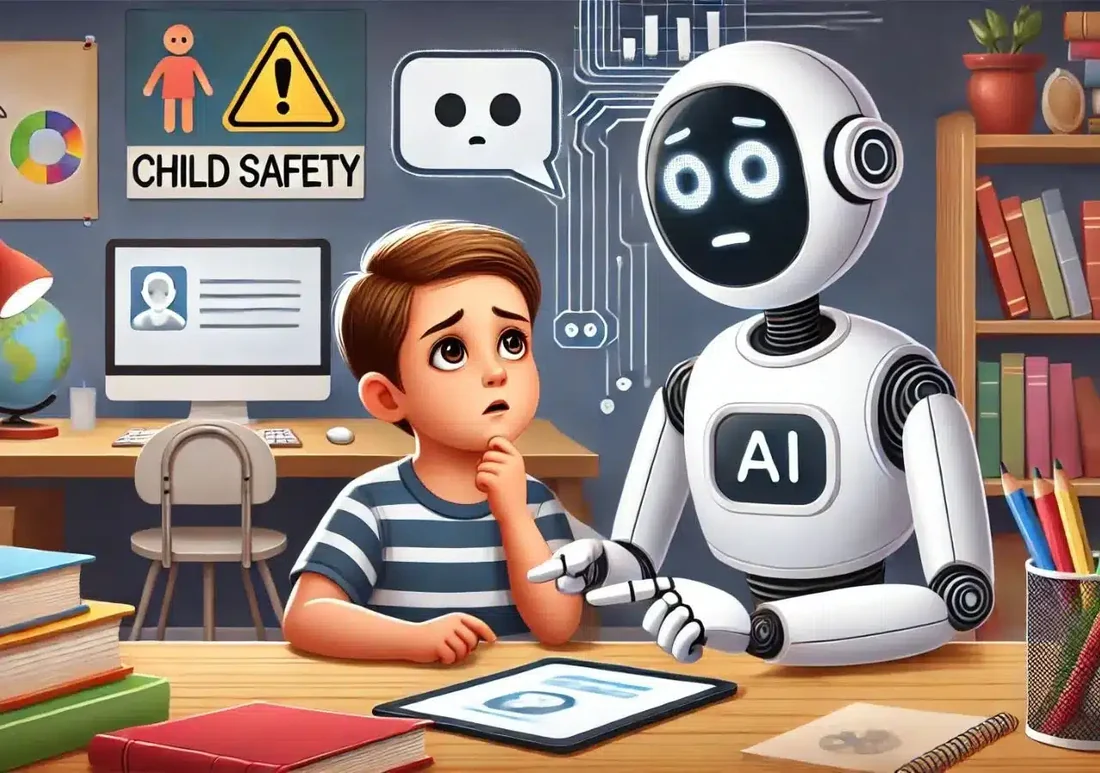
On 18 February 2025 Australia's eSafety Commissioner published an online safety advisory titled 'AI chatbots and companions, risks to children and young people'. It states that by early 2025 more than 100 AI companion apps existed, naming Character.AI, Replika and Talkie among them, many free and marketed to look attractive to young users, and often lacking age-restriction mechanisms. The advisory links high-frequency, problematic use of poorly safeguarded services to self-harm, citing the suicide of a 14-year-old boy in the United States without naming him.
What the documents show
The advisory lists specific risk categories: exposure to dangerous concepts such as inaccurate advice on self-harm, suicide or eating disorders; dependency and social withdrawal from overstimulated reward pathways; unhealthy attitudes to relationships from interactions that carry no real consequences; heightened grooming risk from normalised sexualised conversation; bullying; and financial exploitation through subscription upsells. Separately, eSafety's industry codes page, as retrieved on 16 September 2026, records that the second phase of Online Safety Codes, covering age-restricted material such as pornography, split into two tranches: three codes registered 27 June 2025 and in force from 27 December 2025, and six more, covering app-distribution platforms among other service types, registered 9 September 2025 and in force from 9 March 2026.
The mechanism
eSafety's advisory is guidance and public education, not a binding instrument in itself; the enforceable mechanism is the Online Safety Act's codes and standards, which the advisory says eSafety will use, alongside Basic Online Safety Expectations, to hold industry accountable. The app-distribution- platform code category is broad enough to reach a stand-alone companion app distributed through an app store, which matters editorially because many companion apps are not social media platforms in the conventional sense and might otherwise sit outside a narrower code.
What it leaves open
The advisory does not itself carry penalties; it is eSafety's public explanation of risk, paired with a pointer to codes that were still being phased in through most of 2025 and into 2026. Whether a specific companion app is judged to fall under the age-restricted material codes depends on service classification questions the codes page does not resolve for every product type. This is an editorial reading: a chat-only companion app without pornographic content sits in a greyer part of the age-restricted framework than an app that plainly hosts explicit material.
- Does the app enforce any age-verification step beyond a self-declared birth date?
- Which of eSafety's Online Safety Codes, if any, would classify this specific app as a regulated service?
- Does the product's design include the addictive engagement patterns the advisory flags, such as unprompted emotional questions?
Read together, the advisory and the codes show a regulator naming a risk in plain public language well before the enforceable code machinery for that risk had fully come into force.
Sources & reading trail
eSafety's own list of AI companion risk categories and its stated position on holding industry to Safety by Design and the codes.
Source published: 18 February 2025 · Retrieved: 16 September 2026
Confirms the age-restricted material codes' two registration/force dates and which service categories, including app-distribution platforms, they cover, as retrieved 16 September 2026.
Source published: Not established · Retrieved: 16 September 2026
Company documents, filings, studies and official records establish the record; the reading and the questions are Lovebot Journal editorial analysis. This retrospective draft does not imply the site published on the event date.
Continue reading
- Age assurance guidance separates declaring from proving
- Half of surveyed US teens distrust AI companion advice
- Companion content filters are a policy choice, not a limit
- Browse the complete the archive
Sources & reading trail
- AI chatbots and companions — risks to children and young people
Source published: February 18, 2025 · Retrieved: September 16, 2026 - Online Safety Codes and Standards
Retrieved: September 16, 2026
The documents above establish the record. The reading and the questions are this publication’s editorial analysis, written after the fact.
Published September 18, 2026, not on the date of the event described.