Tamagotchi proved a feeding loop could sell for decades
Bandai's own history page dates Tamagotchi to 23 November 1996 and puts shipped units above 100 million as of mid-2025.
- Historical event
- November 23, 1996
- Site publication
- September 18, 2026
What happened
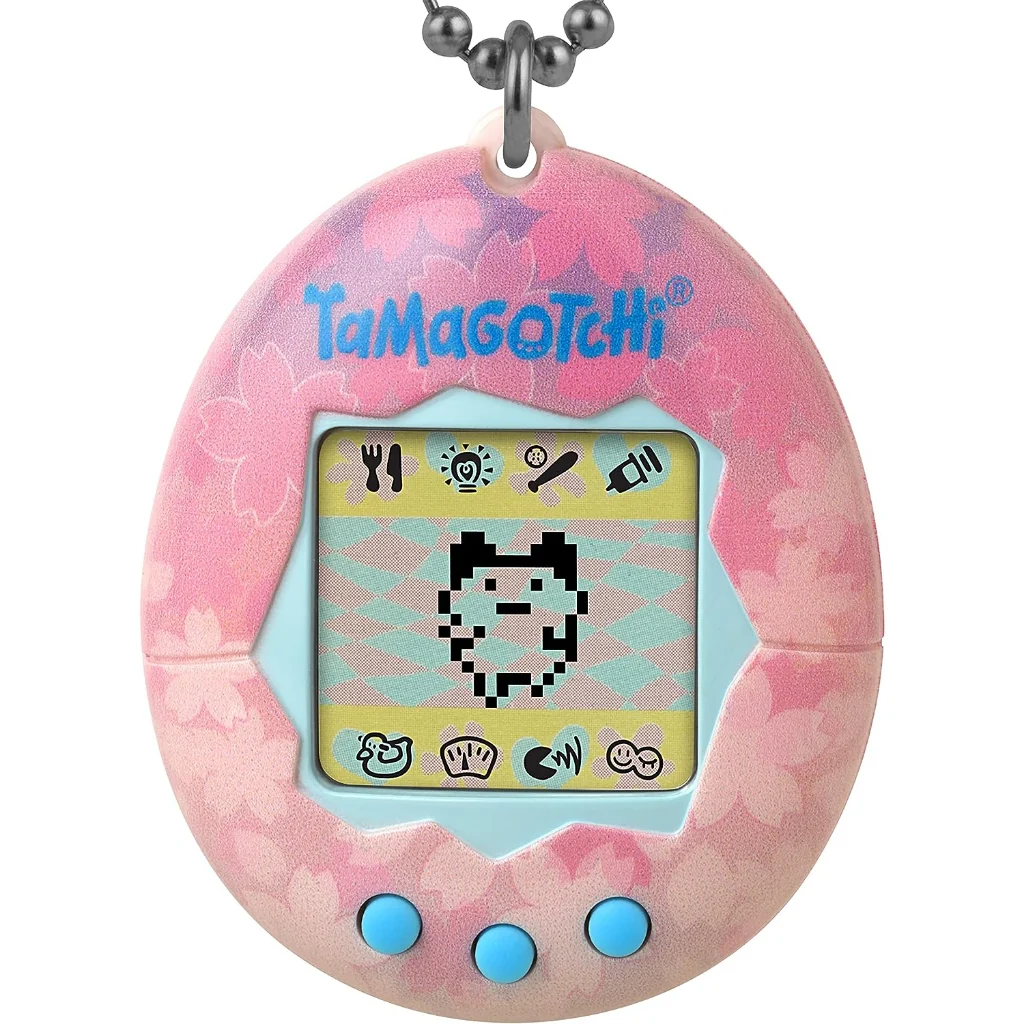
Bandai's own Tamagotchi history page states that 'Tamagotchi was released on November 23, 1996' in Japan, ahead of an international release the following May. The product was a handheld egg-shaped toy holding a simple digital creature that required regular attention from its owner: the official product site describes an animal that needs to be fed, played with, and cleaned up after, and that 'sometimes accidentally' leaves waste in its room if that attention lapses.
What the documents show
The history page's own running total, current 'as of July 2025', puts worldwide shipments at 'over 100,000,000 units' across the toy's many hardware generations since 1996, which the same page lists year by year alongside later revivals and spin-off versions. The product page's description of the care loop is brief and does not itself specify the exact penalty for neglect - whether the character can 'die' outright is not stated in the pages opened for this record, only that it can misbehave and require cleanup. Both are living Bandai pages reflecting the product as retrieved on 16 September 2026, not archival snapshots of 1996 marketing.
The mechanism
The device's design ties a simple creature's continued wellbeing to the owner's repeated, low-effort check-ins: feeding, play and cleanup on a schedule the device itself sets by beeping. That structure - an entity whose apparent state visibly depends on attention the owner supplies - is the care loop later companion apps rebuild in software, replacing a beep and a hunger meter with a chat message and a memory of the user's last visit. The mechanism does not require the creature to understand anything; it requires only that the owner's absence be legible as a cost to something that seems to need them.
What it leaves open
Bandai's pages document scale and mechanism but not psychology: they make no claim about why a beeping toy produced attachment, and this record does not extend the 100-million-unit figure into any statement about how many owners felt genuine concern for their device. That is a separate, unopened question the shipment count cannot answer by itself.
- Does the mechanism reward attention itself, or does it reward a specific, disclosed action?
- What happens to the 'relationship' if attention stops, and is that stated anywhere before the user commits?
- Is a claimed attachment effect measured, or inferred from sales figures alone?
A toy that shipped in the hundreds of millions did not need to simulate understanding to produce a sense of obligation; it needed only a visible, escalating cost to neglect, and that is the part of the design later companion products kept.
Sources & reading trail
States the 23 November 1996 Japan launch date and a running worldwide shipped-units figure as of July 2025.
Source published: Not established · Retrieved: 16 September 2026
Describes the feeding, play and cleanup care mechanic in the company's own current words.
Source published: Not established · Retrieved: 16 September 2026
Company documents, filings, studies and official records establish the record; the reading and the questions are Lovebot Journal editorial analysis. This retrospective draft does not imply the site published on the event date.
Continue reading
- Sony's aibo relaunch made ongoing ownership need a subscription
- A companion robot went silent when its maker closed
- Browse the complete the archive
Sources & reading trail
- Tamagotchi History
Retrieved: September 16, 2026 - Tamagotchi (official US product site)
Retrieved: September 16, 2026
The documents above establish the record. The reading and the questions are this publication’s editorial analysis, written after the fact.
Published September 18, 2026, not on the date of the event described.