The declared product surface
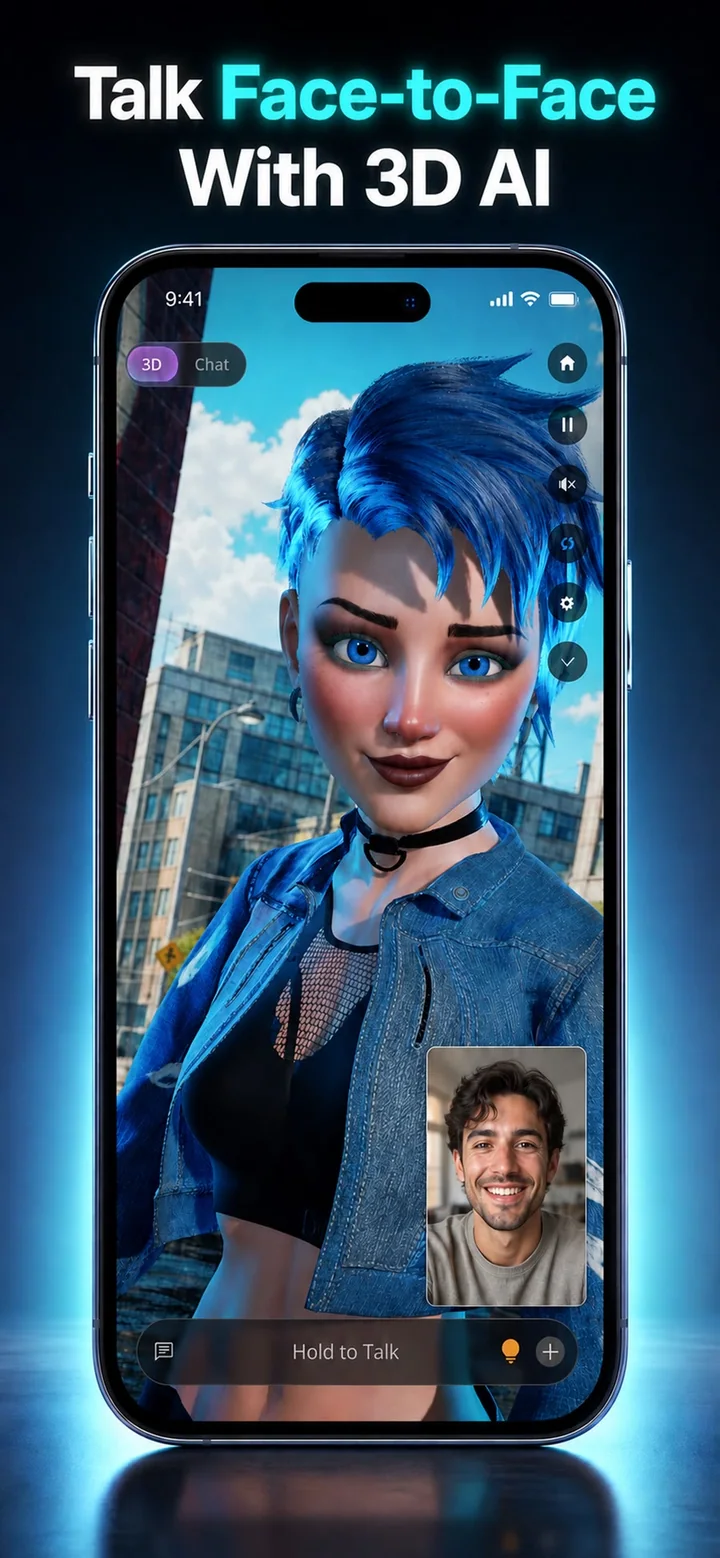
Vizlings’ App Store listing describes animated 3D chatbot characters with individual personalities, behavior, voices, and long-term memory. It also describes voice and text conversations, character creation, connected fictional worlds, posts, quizzes, and group chat in version-history notes. The store page identifies Saboteur Digital as developer, says the app is free with in-app purchases, and lists iPhone and iPad support. Apple’s listing is a developer-supplied product description, not an independent review of whether its characters feel lifelike.
The mechanics describe a cast rather than one durable assistant. Individual character identity, a world layer, and group interaction can support roleplay or social-story scenarios where the continuity question spans relations among multiple entities. Animated embodiment adds visual behavior and expression to the interface. It does not mean the underlying memories are comprehensive, shared, or equally persistent across every mode.
What remains unclear
Evidence: the listing supports the product’s own claims about 3D characters, voice/text, creation, memory, worlds, and platform availability. Inference: a 3D form changes how users encounter a character, but not necessarily the depth of its reasoning or memory. The product page does not document memory controls, selection logic, deletion paths, or a dated public launch announcement. Those fields remain intentionally null rather than guessed from store version dates.
Evidence limit: Only the developer’s current App Store listing was available as first-party product evidence; feature operation was not tested.
Sources & reading trail
- Vizlings AppApple App Store / Saboteur Digital · retrieved 2026-09-16
- Vizlings AppApple App Store / Saboteur Digital · retrieved 2026-09-16